
ALL YOUR HIPHOP AND ENTERTAINMENT NEWS IN ONE PLACE!
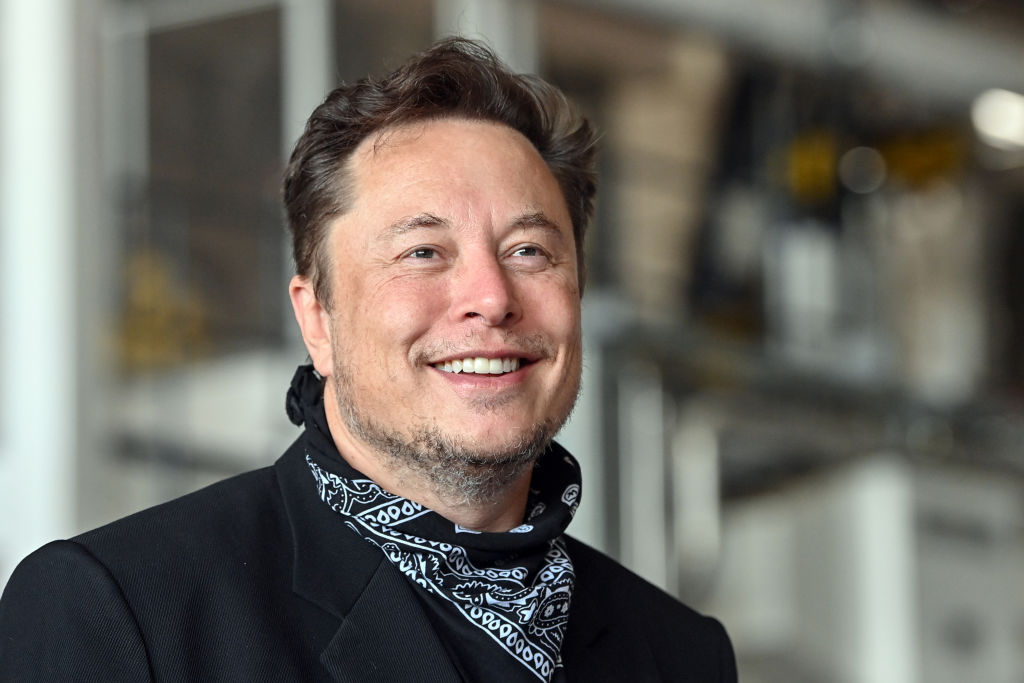
Phony Stark: The Fact And Fiction Behind Elon Musk
April 26, 2022
Elon Musk’s purchase of the social media platform Twitter has gotten a lot of attention and some worry. But we’re here to separate the fiction from the facts with regards to the billionaire.
Techpreneur billionaire Elon Musk is taking center stage once again after his acquisition of Twitter on Monday (April 25) caused shockwaves around the globe. Many expressed concerns about the South African-Canadian’s intentions behind buying the influential social media platform and what he plans to do if shareholders approve the $44 billion purchase of the company. It’s notable that many right-wing pundits including those on Fox News and far-right extremists were celebrating the news as “reclaiming free speech,” hoping that former President Donald Trump would be reinstated after he was banned from the platform. Musk himself said after the reports broke in a tweet: “I hope that even my worst critics remain on Twitter, because that is what free speech means”
As public as Elon Musk is in terms of news and culture, there are some who aren’t sure what’s true and what’s not about the man. Here, we answer three nagging questions that have come back into play.
Is Elon Musk really an inventor?
Technically, yes. He began as an inventor after a collegiate career in physics. His first company, Zip2, was an online city guide that provided content to the New York Times and the Chicago Tribune among others as the Internet began to blossom. He and his brother, Kimbal, sold that company in 1999 to a division of Compaq Computers for $307 million along with $34 million in stock options.
The brothers would take those funds to create a new company that handled financial services including payments online, calling it X.com soon after. After that company was acquired in 2000, it was renamed and became PayPal. That deal paved the way for Musk to earn his first billion when PayPal was acquired by eBay for $1.5 billion in stock – 11 percent of which Musk had owned before the sale. This led to his creation of SpaceX in 2002 and Tesla in 2003, which have made high-profile innovations in the space industry and the automotive industry, respectively.
Is Elon Musk a philanthropist?
One of the biggest things that defenders of the 50-year-old will point to is Musk’s generosity, with his commitment to providing fresh water for the people of Flint, Michigan through the Elon Musk Foundation as a major example. He donated $480,000 for water fountains with complex filtration systems to be installed in the school system in 2018, after this tweet:
After a series of mishaps with the filters arose during testing, which also collided with the onset of the COVID-19 pandemic, schools in Flint finally were able to take advantage of the new water fountain systems in February of this year.
But Musk has also publicly committed to philanthropic efforts without much transparency. One recent instance came as Russia began its invasion of Ukraine, and officials pleaded for Musk to provide them with Starlink terminals to heighten Internet access in the region. “Starlink service is now active in Ukraine. More terminals en route,” he proclaimed on Twitter, with a press rep claiming that the U.S. government hadn’t directed any money towards the effort – a claim which was proven false in a report by the Washington Post detailing the government paying SpaceX to deliver those terminals.
Does Elon Musk have a history of racism and ill-treatment of his employees?


Breaking News
- Azealia Banks Reflects on American and Israeli Culture Amid Move To Tel Aviv
- Manuel Seal, Producer of Mariah Carey’s ‘We Belong Together,’ Dead at 66
- Manuel Seal, Producer of Mariah Carey’s ‘We Belong Together,’ Dead at 66
- Yaya Mayweather Ordered to Pay $50M to Woman Stabbed in NBA YoungBoy’s Home
- 50 Cent and Reebok Revive G-Unit Line With G6 Sneaker Release
- Mattel Honors Whitney Houston With New Barbie Doll You Can Now Buy
- Method Man Drops Limited-Edition Hat Collection with TWNTY-TWO and TICAL Athletics
- Ol’ Dirty Bastard Gets Brooklyn Street Renamed In His Honor
- Eminem’s Ex-Wife Tased During Arrest, Faces Seven Years In Prison For Biting Officer
- Nolan Wells’ Mother Demands Peace At Funeral While Seeking Answers
