
ALL YOUR HIPHOP AND ENTERTAINMENT NEWS IN ONE PLACE!
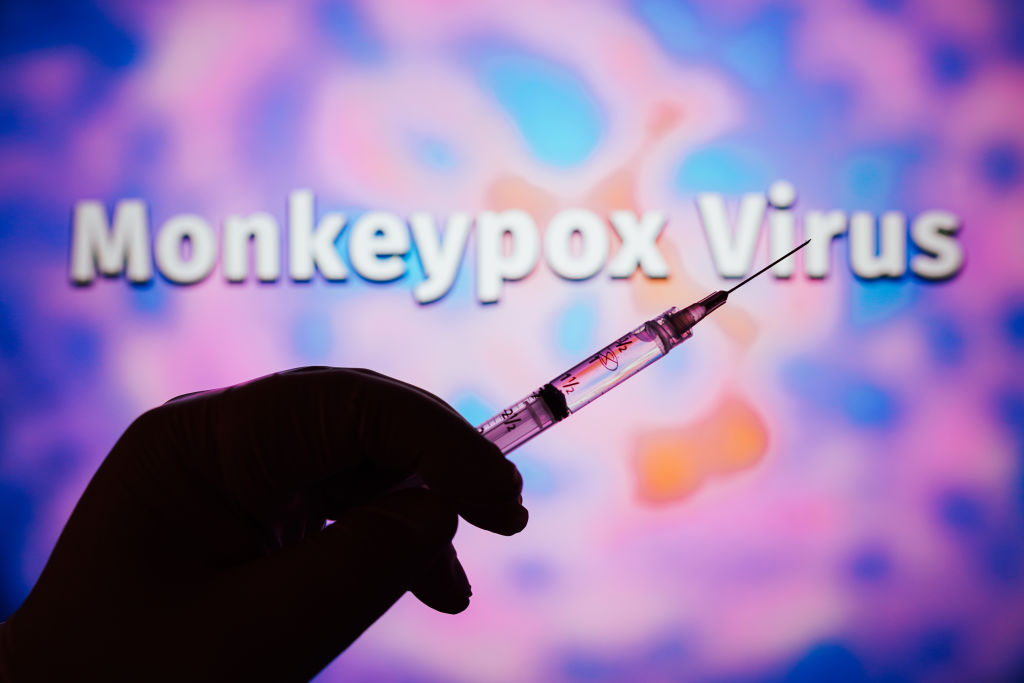
What Is Monkeypox And Its Health Risks?
May 24, 2022
The confirmation of an outbreak of the monkeypox virus last week has many concerned as two cases have been confirmed in the United States. But initial reporting has left a space for confusion about the virus and the risks with COVID-19 still prevalent. We’ve taken some time to provide some clarity in this article.
Officials with the World Health Organization have confirmed that while 160 cases of monkeypox have been discovered in the U.S. and 12 European nations along with Israel and Australia, they are confident that the spread can be stopped as these are countries where it is considered non-endemic. “As surveillance expands, we do expect that more cases will be seen. But we need to put this into context because it’s not Covid,” said Maria Van Kerkhove, emerging diseases lead for the WHO in a Q&A session held online Monday (May 23rd).
So what exactly is monkeypox?
Related Stories

For starters, it belongs to the family of poxviruses and received the name after it was discovered in laboratory monkeys by Danish scientists in 1958. It’s an animal-borne virus, predominately found in rodents such as tree squirrels and Gambian pouched rats for example. Transmission has mainly been between these rodents and primates who occupy the tropical rainforests in Central and West Africa.
In humans, monkeypox can be transmitted through contact with lesions on the skin of someone infected, coming in contact with contaminated material, or through drops of bodily fluid excreted by someone infected, potentially through sexual activity. Those infected with monkeypox will exhibit symptoms of fever, muscle aches, a chickenpox-like rash on the hands and face, swollen lymph nodes, and exhaustion and chills.


Breaking News
- Azealia Banks Reflects on American and Israeli Culture Amid Move To Tel Aviv
- Manuel Seal, Producer of Mariah Carey’s ‘We Belong Together,’ Dead at 66
- Manuel Seal, Producer of Mariah Carey’s ‘We Belong Together,’ Dead at 66
- Yaya Mayweather Ordered to Pay $50M to Woman Stabbed in NBA YoungBoy’s Home
- 50 Cent and Reebok Revive G-Unit Line With G6 Sneaker Release
- Mattel Honors Whitney Houston With New Barbie Doll You Can Now Buy
- Method Man Drops Limited-Edition Hat Collection with TWNTY-TWO and TICAL Athletics
- Ol’ Dirty Bastard Gets Brooklyn Street Renamed In His Honor
- Eminem’s Ex-Wife Tased During Arrest, Faces Seven Years In Prison For Biting Officer
- Nolan Wells’ Mother Demands Peace At Funeral While Seeking Answers
